Don’t miss anything! Sign up for my newsletter & join our Facebook community of 1,000+ like minded thinkers!
- Home
- The Historical Jesus
He Has Risen: 4 Ways the Resurrected Christ Jesus Changed the World

Here are four ways the resurrected Christ Jesus actually changed the world for the better.
Now, we don’t celebrate Easter as a pagan myth. The word itself may be linked to a spring goddess in whose honor sacrifices were once offered. But what we celebrate is something entirely different.
We celebrate Resurrection Day.
But what good is it? What good has the risen Christ brought to history?
The answer is absolutely amazing.
When someone tells me in the grocery store or Starbucks, “Happy Easter,” I often respond, “Thank you — Happy Resurrection Day to you too!” Most people smile politely and move on. But sometimes they pause and ask, “What do you mean?”
And when they do, I share how He changed my life — if they are interested in the eternal.
Resurrection Sunday is the most important day in the Christian year.
Because if Jesus did not rise from the grave, the entire edifice of the Christian faith collapses like glass shattering on tile.
But if He did rise, then human history itself has been permanently altered.
There is, in fact, strong historical evidence for Jesus and His resurrection — evidence that continues to be examined, debated, and defended across centuries.
And history itself testifies to the impact.
Jesus said:
“Verily, verily, I say unto you, He that believeth on me, the works that I do shall he do also; and greater than these shall he do…” (John 14:12)

And those words proved true.
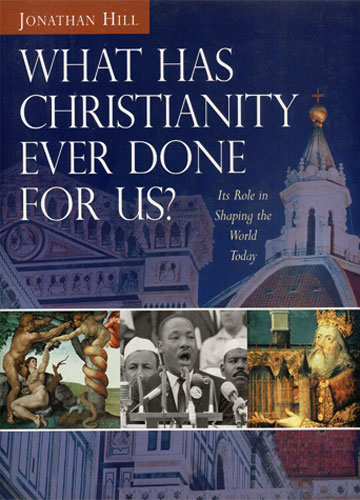
In his book, WHAT HAS CHRISTIANITY EVER DONE FOR US? How It Shaped the Modern World, Jonathan Hill of Oxford University argues not that Christianity is the true religion or that Christianity has done more good than bad, which I think it is or did, but rather he looks to the contribution of Christianity to the “other.”
Key Ideas in Brief
- The resurrection of Jesus stands at the center of Christian faith and history.
- Without it, Christianity collapses; with it, history is transformed.
- There is compelling historical evidence for Jesus and the resurrection event.
- Christianity has shaped education, charity, humanitarian work, and science.
- The influence of the risen Christ continues to impact the modern world.
- Christians started most educational institutions in history. Universities such as Harvard Yale, Princeton, and in Britain Oxford, Cambridge were all founded by Christians to help bring the love of Jesus through education. All but 2 colleges were started by the Christian church in the USA. By the close of 1860, there were 246 colleges in America. Seventeen of these were state institutions; almost every other one was founded by Christian denominations or by individuals in the name of Jesus.
- Christians helped the poor more than others. No other institution or people than the people of Jesus have given more of their time and lives to the service of the “other people” in hospitals, culture, the arts, education, society than any other. Even now the Christians are addressing world poverty, hunger, and AIDS more than any other group. The people who followed Jesus, the Church, have taken the lead in providing medical and health care, emergency relief and education to the poor and needy to the 99% than any other group in the history of the world.
- Jesus’s people, Christians, are responsible for the creation of more humanitarian relief than any others. In particular, the duty of society to assist the poor and sick (the Roman Empire had no welfare system and no hospitals for the common man); The American Red Cross —one of the world’s largest humanitarian networks with 13 million volunteers in 187 countries helping to respond to disasters, build safer communities, reaching an average of more than 100 million people across the globe. Then there is World Relief which serves over 4 million vulnerable people a year and has over 100,000 volunteers actively engaged in reaching their communities with life-saving messages focusing on microfinance, AIDS prevention and care, maternal and child health, child development, agricultural training, disaster response, and immigrant services. And I did not even mention Compassion International, Samaritan’s Purse, World Vision, Salvation Army and multiple other Jesus based organizations to provide food practical help in famine-stricken areas for including refugees worldwide to untold millions of people too.
- Christians are primarily responsible for the growth of science. Contrary to popular notions, there is no dichotomy between science and Christianity. This Warfare thesis between Science and Religion, especially the Christian religion, is a myth of gigantic proportions. No one deserves more blame for this stubborn myth that these two men: Andrew Dickson White(1832-1918), the founding president of Cornell University, and John William Draper(1811-1882), professor of chemistry at the University of New York. Did you know that modern’s science’s driving force has been Christianity for hundreds of years, virtually its only significant contributor? Great men like Copernicus, Kepler, Galileo, Pascal, Descartes, Newton, Kelvin, Mendel, Boyle — all are devout Christians.
What else empowered the early Christians to change their world than the physical and historical resurrection of their Lord?
What drove them to build institutions, serve the poor, and pursue truth?
The answer they gave was simple.
The resurrection.
They believed they had encountered the risen Christ — not as a metaphor, but as a historical reality.
And that belief changed everything.

The Final Word
Jesus has risen from the dead.
And the world has never been the same.
So Happy Resurrection Day to all.
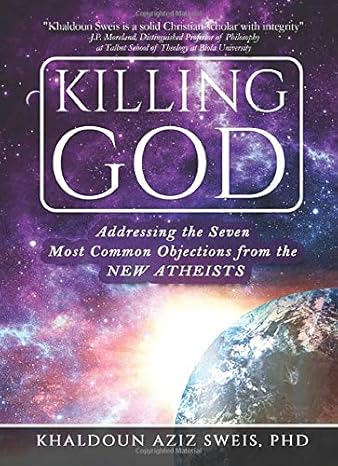
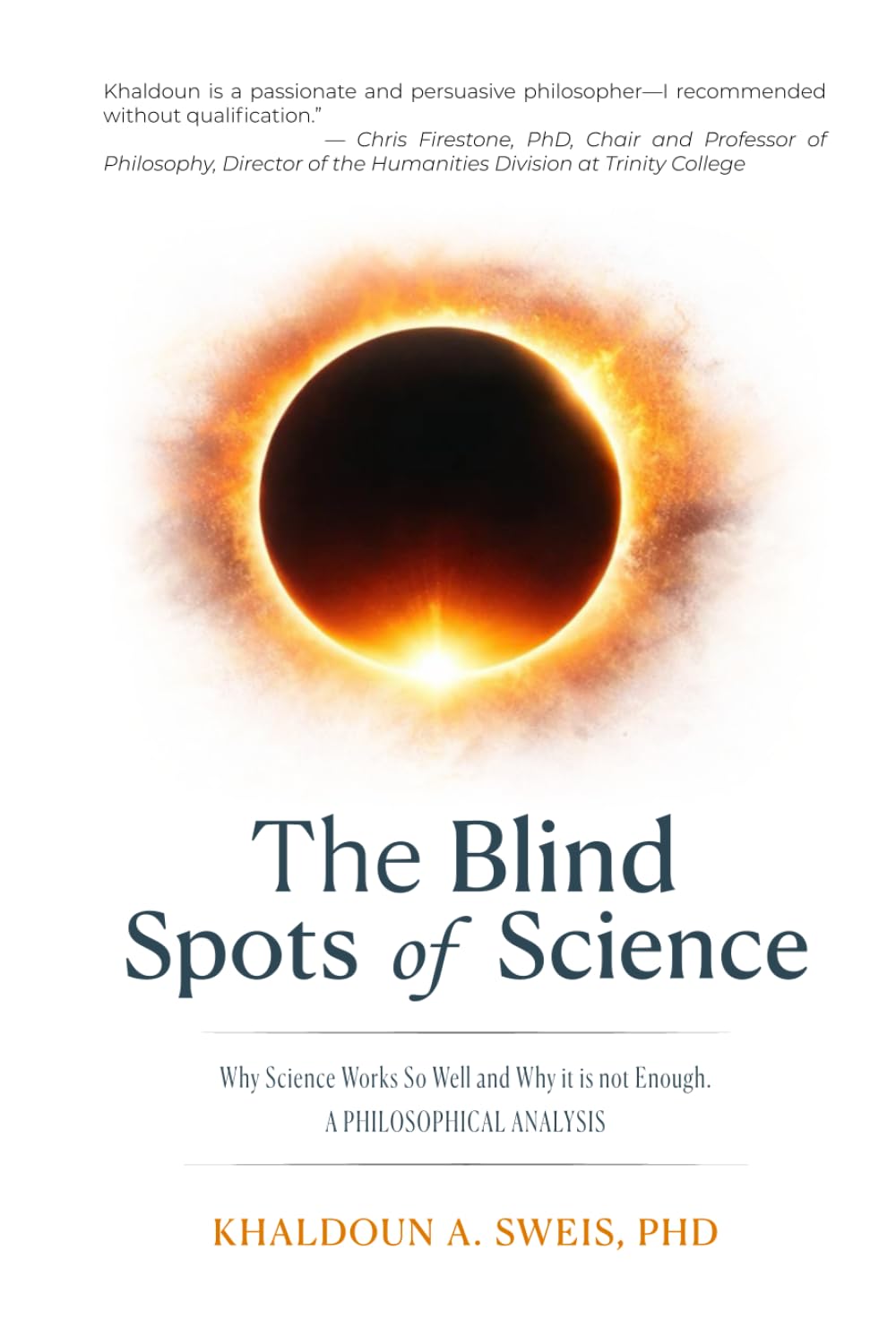
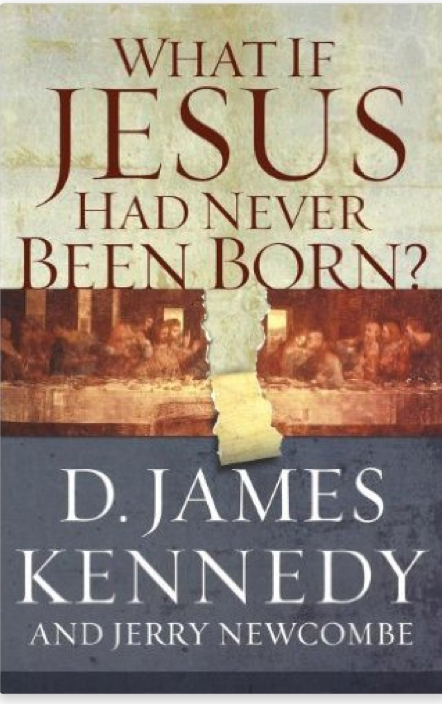
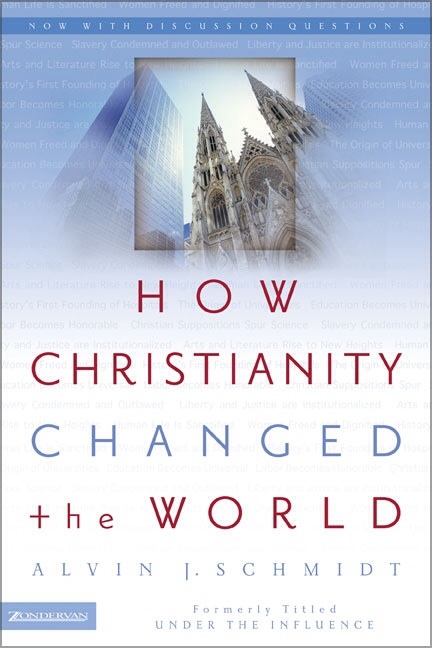
Consider these books as well that argue with a similar thesis.
Exploring These Questions Personally
Some questions about faith and doubt cannot be resolved by arguments alone. They are lived, wrestled with, and experienced over time.
If you’d like thoughtful, non-judgmental ways to explore these questions more deeply, here are a few options:
Continue the Conversation
Wrestling with questions about God, faith, and meaning?
Join the newsletter for thoughtful reflections on belief, doubt, philosophy, and the search for truth, plus practical insights to live wisely, and believe courageously.
You Might Like These
Science and Religion (Plus Evolution) With Dr. Hugh Ross
Explore the relationship between science and religion and evolution with Dr. Hugh Ross. Discover whether science and religion can coexist, and more.